Master Tomato Peeling: Blanching vs. Roasting Methods Compared
Achieving culinary perfection often comes down to mastering foundational techniques. When it comes to tomato-based dishes, a key step that can elevate your creations from good to extraordinary is peeling the tomatoes. While some might deem it an unnecessary chore, removing the tough outer skin transforms the texture and even enhances the flavor of your sauces, soups, and salsas. No more chewy bits, just pure, silky smooth goodness. If you've ever wondered
how to peel tomatoes efficiently and effectively, you're in the right place. We'll dive deep into two primary methods: the classic blanching technique and the increasingly popular roasting approach, comparing their nuances to help you decide which is best for your culinary adventures.
Why Peel Tomatoes? Elevating Your Culinary Creations
Before we delve into the "how-to," let's quickly reinforce the "why." Peeling tomatoes might seem like an extra step, but the benefits are undeniable, particularly for specific dishes.
*
Superior Texture: This is the most significant advantage. Tomato skins, though thin, can become tough and chewy when cooked, detracting from the luxurious mouthfeel of a smooth sauce or soup. Removing them ensures a consistently velvety texture.
*
Enhanced Flavor: While subtle, some cooks argue that the skins can impart a slightly bitter taste. Peeling allows the natural sweetness and acidity of the tomato flesh to shine through unimpeded, resulting in a cleaner, brighter flavor profile.
*
Digestibility: For some individuals, tomato skins can be difficult to digest. Peeling them makes tomato-based dishes more palatable and easier on the stomach.
*
Professional Finish: Whether you're canning, making a gourmet marinara, or crafting a delicate bruschetta, peeled tomatoes lend a refined, professional quality to your finished product.
*
Versatility: Once peeled, tomatoes are ready for a myriad of uses, from raw preparations like gazpacho to long-simmered ragùs, without any textural interference.
Now that we understand the benefits, let's explore the two most effective methods for
how to peel tomatoes.
The Classic Blanching Technique for Perfectly Peeled Tomatoes
The blanching method is a time-honored technique, quick and efficient, especially for large batches. It involves a rapid dip in boiling water followed by an ice bath, which shocks the skin, causing it to loosen from the flesh.
Step-by-Step Blanching Guide:
1.
Preparation is Key: Begin by washing your tomatoes thoroughly, removing any stickers or debris. With a sharp paring knife, carefully cut out the core (stem end) of each tomato. Then, gently score a shallow "X" on the bottom of each tomato. This "X" is crucial as it creates points where the skin can easily begin to separate.
2.
Set Up Your Stations: Prepare a large bowl filled with ice water – the colder, the better. Set it aside. On your stovetop, bring a pot of plain water to a rolling boil. Ensure the pot is large enough to comfortably submerge several tomatoes without overcrowding.
3.
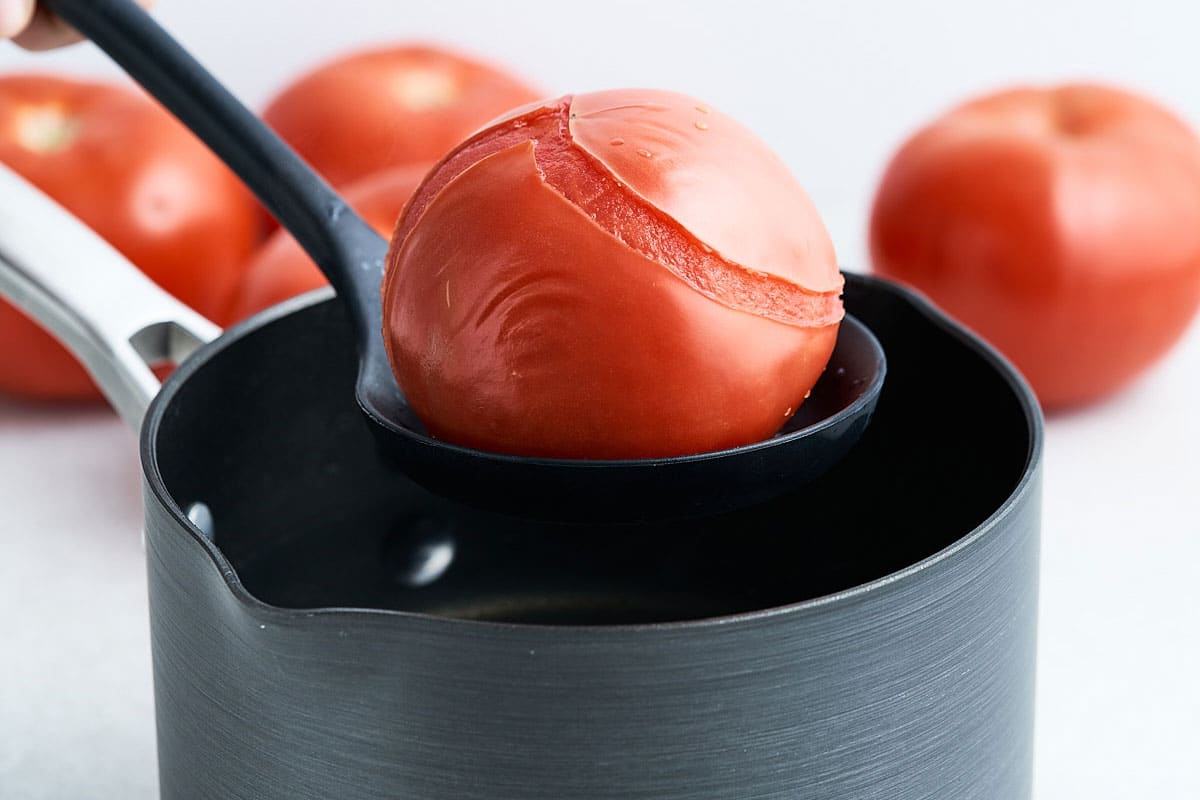
The Boiling Plunge: Carefully lower 3-5 tomatoes into the boiling water using a slotted spoon or spider. Do not overcrowd the pot, as this can lower the water temperature and hinder the process.
4.
Watch for the Magic: Let the tomatoes blanch for a short period, typically 30 seconds to 1 minute. You'll know they're ready when you see the scored "X" areas start to curl back and the skin visibly begin to peel away from the flesh.
5.
Into the Ice Bath: Swiftly remove the blanched tomatoes from the boiling water and immediately plunge them into the prepared ice bath. This crucial step halts the cooking process, preventing the tomatoes from becoming mushy and further loosening the skin. Let them sit in the ice bath for at least 5 minutes, or until they are cool enough to handle. You should notice the skin shriveling further.
6.
Effortless Peeling: Once chilled, remove the tomatoes from the ice water. You'll find that the skins are now wrinkled and often already partially detached. Using your fingers, gently peel the skin away. It should come off with remarkable ease.
7.
Troubleshooting: If you encounter any stubborn bits of skin, use a small, sharp paring knife to carefully scrape them off, being mindful not to bruise the soft flesh of the tomato.
This method is excellent for preserving the fresh, vibrant flavor of the tomato, making it ideal for dishes where you want that bright, raw tomato essence to shine through, such as fresh salsas, bruschetta, or quick sauces. For more detailed insights into this method, consider checking out
Unlock Smoother Sauces: Your Easy Guide to Peeling Tomatoes.
Roasting for Rich Flavor and Easy Peeling
While blanching is classic, roasting offers a delightful alternative, particularly if you're looking to infuse your tomatoes with a deeper, sweeter flavor profile. This "no-boil" method often involves fewer active steps and can be safer for those uncomfortable handling boiling water.
Step-by-Step Roasting Guide:
1.
Preheat and Prep: Begin by preheating your oven to a high temperature, typically 400-450°F (200-230°C). Lightly grease a baking sheet or line it with parchment paper for easy cleanup. Rinse your tomatoes under cool water and pat them thoroughly dry. No need to score or core them for this method, though you can if desired.
2.
Arrange on Baking Sheet: Place the whole, clean tomatoes in a single layer on your prepared baking sheet. Ensure they have enough space between them for even roasting. Don't overcrowd the tray; if you have many tomatoes, roast them in batches.
3.
The Roasting Process: Transfer the baking sheet to the preheated oven and roast for 20 to 30 minutes. The exact time will depend on the size and ripeness of your tomatoes. You'll know they're ready when the skins appear noticeably shriveled, blistered, and sometimes slightly charred in spots. The tomatoes themselves will look bright red and somewhat collapsed.
4.
Cool Down: Once roasted, carefully remove the baking sheet from the oven. Allow the tomatoes to cool down on the tray until they are comfortable enough to handle with your bare hands. This cooling period is important as the skins continue to separate from the flesh as they cool.
5.
Effortless Peeling (Again!): With your hands, gently pinch and peel the skins from the roasted tomatoes. The heat from the oven has essentially "steamed" the skin away from the flesh, making it incredibly easy to remove.
6.
Optional Seed Removal: If your recipe calls for seedless tomatoes, cut the cooled, peeled tomatoes in half and use a small spoon to scoop out the seeds and any excess liquid.
The roasting method not only makes peeling incredibly simple but also adds a fantastic layer of caramelized sweetness and a hint of smokiness to the tomatoes. This makes them ideal for rich sauces, roasted tomato soups, slow-cooked stews, or even canning projects where a more profound flavor is desired. Discover more about this simple, no-boil method in
Skip the Boil: Peel Tomatoes Easily with the Oven Roasting Method.
Blanching vs. Roasting: A Head-to-Head Comparison
Both methods are highly effective for
how to peel tomatoes, but they offer distinct advantages and are suited for different culinary goals. Let's break down the key differences:
*
Effort & Time:
*
Blanching: Involves more active steps (scoring, boiling, ice bath, individual peeling). However, the actual cooking time per batch is very short (30-60 seconds).
*
Roasting: Requires less active effort (no scoring, no ice bath). The oven does most of the work, though the passive cooking time is longer (20-30 minutes).
*
Flavor Profile:
*
Blanching: Preserves the fresh, bright, and slightly acidic flavor of raw tomatoes. Ideal when you want the pure essence of the tomato.
*
Roasting: Develops a deeper, sweeter, more concentrated flavor with notes of caramelization and often a subtle smokiness. Transforms the tomato's natural sugars.
*
Texture of Flesh:
*
Blanching: Leaves the tomato flesh relatively firm and intact, making it great for diced tomatoes or when a chunkier texture is desired.
*
Roasting: Softens the tomato flesh considerably, often to the point of collapse, which is perfect for very smooth purees or sauces.
*
Safety:
*
Blanching: Involves handling boiling water and quickly transferring hot items, which can be a minor safety concern for some.
*
Roasting: Primarily involves placing items in and out of the oven, with less direct handling of extremely hot liquids.
*
Best Applications:
*
Blanching: Perfect for fresh salsas, quick marinara sauces, preserving, fresh salads, or any recipe where you want the unadulterated, bright taste of fresh tomatoes.
*
Roasting: Ideal for deeply flavored sauces, rich soups, slow-cooked dishes, confits, or recipes that benefit from an added layer of sweetness and depth.
Ultimately, the "best" method for
how to peel tomatoes depends on your desired end result and personal preference.
Tips for Success, No Matter Your Method
To ensure your tomato peeling experience is always a success, keep these general tips in mind:
*
Choose Wisely: Start with ripe, firm tomatoes. Overripe tomatoes can become too mushy with either method, making peeling difficult. Underripe tomatoes might not release their skins as easily and lack flavor.
*
Don't Overcook: Whether blanching or roasting, keep an eye on your tomatoes. Overcooking will result in mushy flesh, which is harder to peel and less pleasant to eat.
*
Safety First: Always use appropriate kitchen tools (slotted spoons, oven mitts) when handling hot water or hot baking sheets.
*
Waste Not, Want Not: Don't discard the tomato skins! They can be dehydrated and ground into a flavorful tomato powder, or simmered in broth for an extra layer of umami.
Conclusion
Mastering
how to peel tomatoes is a simple yet impactful skill that will significantly enhance your cooking. Whether you opt for the quick, fresh results of blanching or the deeper, sweeter flavors achieved through roasting, both methods promise a smoother, more refined culinary experience. Experiment with both to discover which technique best suits your recipes and your personal cooking style. Your taste buds, and anyone you're cooking for, will undoubtedly appreciate the effort!