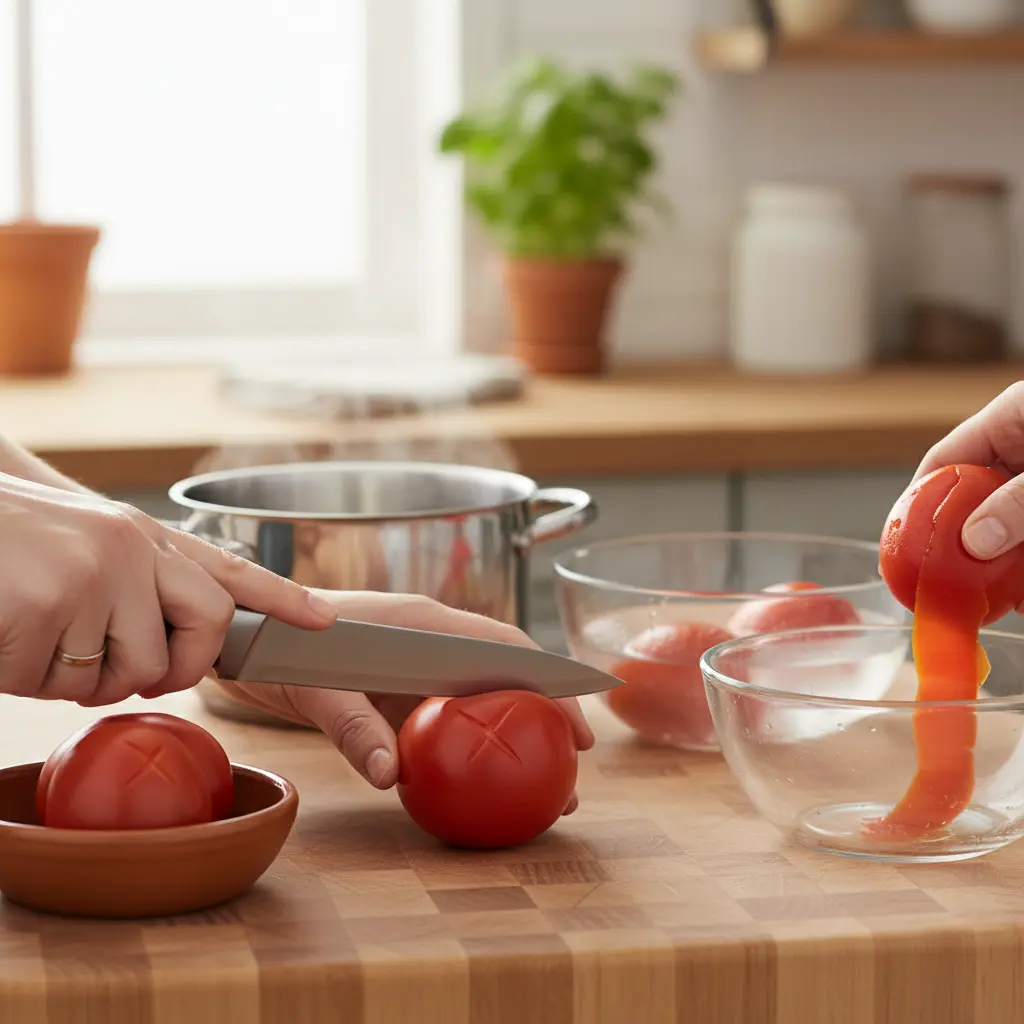
Unlock Smoother Sauces: Your Easy Guide to Peeling Tomatoes
Imagine a rich, velvety tomato sauce, free from the chewy distraction of tough skins, or a vibrant homemade soup with an unparalleled smoothness. This culinary dream is easily achievable by mastering the simple art of peeling tomatoes. While it might seem like an extra step, removing the skin from your fresh tomatoes unlocks a superior texture and often a sweeter, more refined flavor profile in your favorite dishes. Whether you're whipping up a quick weeknight pasta sauce, preserving the bounty of your garden, or simply aiming for restaurant-quality results, knowing
how to peel tomatoes is a game-changer.
This guide will walk you through two effective and popular methods – the classic blanching technique and the flavor-enhancing oven roasting method – ensuring your next tomato-based creation is nothing short of perfection.
Why Bother Peeling Tomatoes? The Secret to Superior Sauces and Beyond
You might be wondering if the effort of peeling tomatoes is truly worth it. The answer, for many culinary applications, is a resounding yes! Here’s why this seemingly small step makes a significant difference:
*
Unrivaled Texture: The most immediate benefit is the elimination of the tough, papery skins that can detract from the smooth consistency of sauces, purees, and soups. Peeling ensures a silky, luxurious mouthfeel that is impossible to achieve otherwise.
*
Enhanced Flavor: Tomato skins can sometimes impart a slightly bitter or astringent note, especially with certain varieties. Removing them allows the inherent sweetness and vibrant acidity of the tomato flesh to shine through more purely. The roasting method, in particular, further caramelizes natural sugars, intensifying the tomato's delicious flavor.
*
Improved Digestibility: For some individuals, tomato skins can be difficult to digest. Peeling them can make your dishes more agreeable and comfortable for everyone at the table.
*
Professional Presentation: In certain recipes, peeled tomatoes offer a cleaner, more refined aesthetic, contributing to a professional finish for your culinary creations.
*
Optimal for Canning and Preserving: When canning or preserving tomatoes, removing the skins is often a crucial step for quality and safety. It helps prevent spoilage and ensures a consistent product.
The Classic Method: Blanching for Effortless Peeling
The blanching method is a tried-and-true technique that uses a quick dip in boiling water followed by an ice bath to loosen tomato skins. It’s quick, efficient, and works wonders for a few tomatoes or a larger batch. This method also works incredibly well for peeling peaches and plums!
Step-by-Step Blanching Instructions:
- Preparation is Key: Begin by thoroughly washing your tomatoes under cool water to remove any dirt or stickers. With a sharp paring knife, carefully remove the stem end (core) of each tomato. Then, on the opposite end (the bottom), cut a shallow 'X' into the skin. This 'X' is vital as it provides a starting point for the skin to peel back easily.
- Set Up Your Ice Bath: Fill a large bowl generously with ice water and set it aside. This ice bath will be used to immediately stop the cooking process once the tomatoes leave the boiling water, preventing them from becoming mushy.
- Boil and Submerge: Bring a large pot of plain water to a rolling boil on your stove. Carefully lower 3-4 tomatoes (or as many as comfortably fit without overcrowding the pot) into the boiling water. Allow them to blanch for approximately 30 seconds to 1 minute, or until you visibly see the 'X' cuts beginning to curl back and the skin starting to separate from the flesh. Don't overcook them!
- Shock in the Ice Bath: Using a slotted spoon, quickly transfer the blanched tomatoes from the boiling water directly into the prepared ice bath. Let them sit in the ice water for about 5 minutes, or until they are completely chilled. You’ll notice the skins shriveling and becoming even more detached.
- Peel with Ease: Once chilled, remove the tomatoes from the ice water. The skins should be wrinkled and loosened. With your hands, gently peel the skins away, starting from where you made the 'X' or where the skin has already begun to detach. The skins should slide off effortlessly.
- Tackle Stubborn Spots (Optional): If any small pieces of skin remain stubborn, use your sharp paring knife to gently scrape them off, being careful not to squeeze or damage the soft tomato flesh.
Tips for Blanching Success:
- Batch Processing: For larger quantities, work in batches to avoid overcrowding the boiling water, which can lower the water temperature and result in uneven blanching.
- Safety First: Always exercise caution when handling boiling water and hot tomatoes. Use appropriate tools like slotted spoons or spider strainers.
- Don't Waste the Water: The hot water can often be reused for subsequent batches.
- Versatility: Remember, this method is fantastic for quickly peeling other fruits like peaches and plums for pies, jams, or desserts.
The Modern Approach: Roasting for Richer Flavor and Easy Peeling
While blanching is excellent for maintaining a fresh tomato flavor, roasting offers a wonderful alternative that not only simplifies the peeling process but also infuses your tomatoes with a deeper, sweeter, and slightly caramelized flavor. This "no-boil" method eliminates the need for scoring, boiling water, and an ice bath, making it a safer and often less messy option, especially for larger quantities. If you’re making a rich sauce or a hearty soup, roasting is often the preferred choice. For a deeper dive into this specific method, check out our guide on
Skip the Boil: Peel Tomatoes Easily with the Oven Roasting Method.
Step-by-Step Roasting and Peeling Instructions:
- Preheat and Prep: Preheat your oven to a robust 450°F (230°C). Lightly grease a large baking sheet or line it with parchment paper for easier cleanup. Rinse your tomatoes thoroughly under warm water and pat them completely dry with a towel. You do not need to score or core them initially, although some prefer to remove the stem for neatness.
- Arrange on the Baking Sheet: Place the cleaned tomatoes in a single layer on the prepared baking sheet. Ensure they have enough space between them to roast evenly without steaming. The more space, the better the caramelization.
- Roast to Perfection: Transfer the baking sheet to the preheated oven. Roast for 20 to 25 minutes, or until the tomatoes appear bright red, slightly shriveled, and the skins begin to noticeably separate and wrinkle away from the flesh. You might even see a few charred spots, which add to the flavor complexity. Roma or medium-sized tomatoes typically fit this timeframe well.
- Cool Down: Once roasted, carefully remove the baking sheet from the oven. Allow the tomatoes to cool down completely on the baking sheet until they are comfortable to handle. This cooling period is crucial, as the residual heat helps the skins continue to loosen.
- Peel Away: Once cool, gently grasp each tomato and use your hands to effortlessly peel away the loosened skins. They should slide off with minimal resistance.
- Optional Seed Removal: For an even smoother consistency, you can optionally cut each peeled tomato in half and use a spoon to scoop out the seeds and any excess watery pulp. While not strictly necessary for peeling, this step can be beneficial for specific recipes that demand a very refined texture.
Benefits of the Roasting Method:
- Flavor Development: Roasting caramelizes the natural sugars in the tomatoes, imparting a deeper, sweeter, and more complex flavor profile that elevates your dishes.
- Fewer Steps: This method significantly reduces the number of steps compared to blanching, eliminating the need for scoring, boiling water, and an ice bath.
- Safer: Less handling of hot water makes this a safer option, particularly when processing large quantities.
- Ideal for Large Batches: You can roast a substantial amount of tomatoes simultaneously, making it perfect for preserving, canning, or preparing for big meals.
Blanching vs. Roasting: Choosing Your Perfect Peeling Method
Both blanching and roasting are effective ways to peel tomatoes, but they offer distinct advantages depending on your culinary goals. Understanding these differences can help you choose the best method for your specific needs. For a more detailed comparison, be sure to read our article:
Master Tomato Peeling: Blanching vs. Roasting Methods Compared.
*
When to Choose Blanching:
* You need to peel a small quantity of tomatoes quickly.
* You want to retain the fresh, vibrant, raw flavor of the tomato, as blanching doesn't significantly alter it.
* Your recipe calls for a delicate tomato flavor, such as in fresh salsas, bruschetta, or light purees.
* You're also peeling other fruits like peaches or plums.
*
When to Choose Roasting:
* You want to infuse your tomatoes with a deeper, sweeter, and slightly smoky caramelized flavor.
* You're preparing tomatoes for rich sauces, hearty soups, stews, or for canning and preserving, where the enhanced flavor is a bonus.
* You're processing a large batch of tomatoes and prefer a hands-off, safer method.
* You want to avoid the mess and extra steps associated with boiling water and ice baths.
Ultimately, the "best" method depends on your recipe and personal preference. Many home cooks keep both techniques in their repertoire, ready to deploy the most appropriate one for the task at hand.
Beyond Peeling: Tips for Using Your Freshly Peeled Tomatoes
Once you've expertly peeled your tomatoes, a world of culinary possibilities opens up. Here are some ideas:
*
Classic Sauces: Dice or crush them for a simple marinara, a rich ragu, or a chunky puttanesca. The smooth texture will elevate any sauce.
*
Soups and Stews: Add them to a rustic minestrone, a creamy tomato bisque, or a hearty chili for unparalleled body and flavor.
*
Canning and Preserving: They are perfect for making homemade canned tomatoes, passata, or tomato paste, allowing you to enjoy summer's bounty all year long.
*
Freezing: Whole or chopped, peeled tomatoes freeze beautifully for later use. Simply place them in freezer-safe bags or containers.
*
Fresh Delights: Dice them for a vibrant bruschetta topping, a chunky pico de gallo, or a refreshing tomato salad.
Mastering
how to peel tomatoes is a simple yet impactful skill that will transform your cooking. Whether you opt for the quick freshness of blanching or the deep, sweet flavors of roasting, the reward is a culinary experience free from tough skins and full of pure, unadulterated tomato goodness. So, grab some ripe tomatoes and give one of these methods a try – your taste buds (and your diners) will thank you!